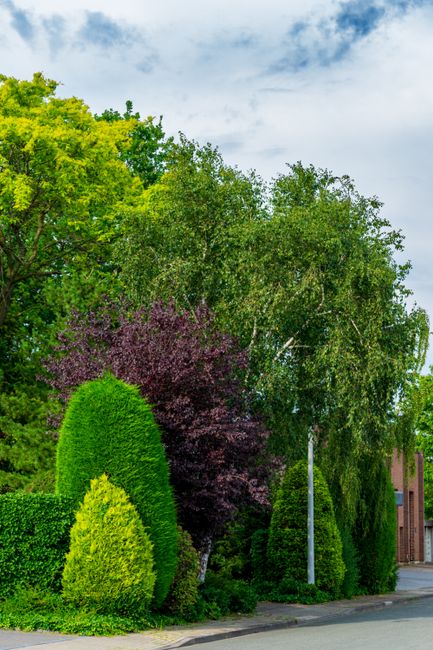
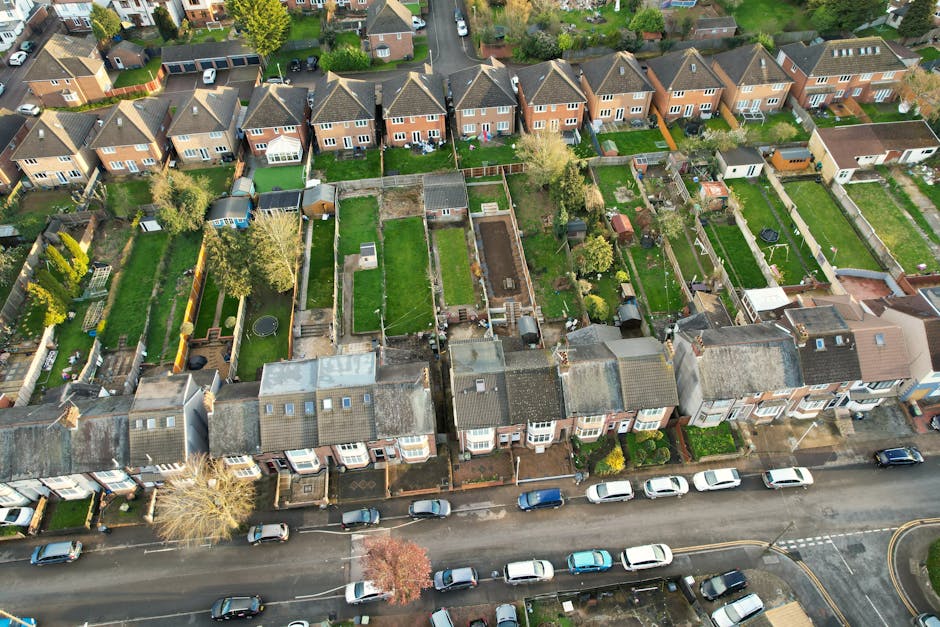
Gardeners serving Hatton Road and Hatton Estate East Bedfont
If you live on Hatton Road or in Hatton Estate East Bedfont, you already know that a tidy, healthy garden can feel like a small luxury. It softens the edges of busy daily life. It also takes work, and not always the kind you want to do after a long week. That is where Gardeners serving Hatton Road and Hatton Estate East Bedfont come in: practical help, local knowledge, and the kind of steady maintenance that keeps a garden looking cared for rather than merely survived.
This guide walks through what local garden services usually cover, how the work is approached, what to expect, and how to judge whether you need occasional help or a regular maintenance plan. Along the way, you will find sensible tips for lawns, hedges, patios, planting, and recovery jobs for gardens that have got a little away from you. Let's face it, most gardens do at some point.
Why Gardeners serving Hatton Road and Hatton Estate East Bedfont Matters
Local gardening support matters because no two gardens behave exactly the same. A small front strip, a paved back garden, a shared boundary hedge, or a patchy lawn all need different attention. In an area like East Bedfont, gardens often have to juggle a few things at once: limited space, shade from neighbouring buildings, wind exposure in open sections, and the usual British weather drama. One damp month and everything is growing; one dry spell and half of it looks sulky.
Gardeners who regularly work in the area are better placed to spot those patterns quickly. They can tell when a lawn needs scarifying rather than just mowing, when a hedge is becoming too woody for a light trim, and when the problem is not weeds at all but soil compaction or poor drainage. That local familiarity saves time and, usually, money too.
It also matters for consistency. Gardens rarely improve through one heroic tidy-up and then nothing for months. They improve through timing. Regular care, seasonal attention, and small corrections before they become bigger jobs. If you have ever cut back a border in spring and thought, "that looked easy in theory," you will know the feeling.
For homeowners, landlords, tenants, and busy families, reliable help can be the difference between a garden that is enjoyed and one that becomes a nagging job on the to-do list. And if you want to see the broader range of help that can support this kind of upkeep, take a look at the site's garden maintenance approach, which is often the backbone of a well-kept outdoor space.
How Gardeners serving Hatton Road and Hatton Estate East Bedfont Works
In practical terms, local gardening work usually starts with a look at the site and a conversation about priorities. That may sound simple, but it is where the job becomes much more effective. Is the main issue an overgrown hedge? A lawn that has gone thin and weedy? A patio covered in green algae? Or perhaps the whole garden has become a bit of everything, all at once.
The first assessment normally focuses on:
- the size and layout of the garden
- sun and shade patterns
- current condition of lawns, borders, hedges, and hard surfaces
- access for tools, waste removal, and safe working
- whether the work is one-off, seasonal, or ongoing
Once the work is agreed, the gardener will usually break it down into stages. That might mean clearing debris first, then cutting back overgrowth, then refining edges, then dealing with mowing, planting, or treatments. This order matters. If you cut before you clear, you end up fighting the mess twice. Nobody enjoys that.
For example, hedge work is often best done before a full garden tidy, because the clippings can drop into beds and lawns. Likewise, a neglected patch may need a proper reset before any planting or lawn care is worth doing. There is a useful guide on reviving a neglected garden that explains why a reset-first approach often beats trying to fix everything at once.
Some jobs are straightforward. Others need a bit of patience. A shaded corner may need a planting strategy rather than repeated pruning. A tired fence line may need structural work before any new plants can thrive. The best local gardeners do not just trim and tidy; they help the garden behave better over time.
Key Benefits and Practical Advantages
The most obvious benefit is appearance. A freshly cut lawn, neat edge, and trimmed hedge instantly change how a property feels. But the better benefits go deeper than that.
- Healthier plant growth: regular pruning, deadheading, and seasonal care reduce stress on plants.
- Less weed pressure: consistent maintenance prevents weeds from seeding and spreading.
- Better privacy and structure: well-managed hedges and screening plants define outdoor spaces more clearly.
- Safer access: clear paths, level surfaces, and tidier borders reduce trip hazards.
- More usable space: patios, seating spots, and lawns feel bigger when they are properly maintained.
- Lower long-term repair costs: catching problems early avoids expensive remedial work later.
There is also a quieter benefit that people do not always mention: peace of mind. You know the garden is not slipping away from you while you are at work or managing family life. It is one less thing quietly demanding attention in the background.
For privacy-focused gardens, hedge care can make a huge difference. If that is a priority, the article on fast-growing hedge options for top privacy is a handy companion read, especially if you are thinking ahead rather than simply cutting back what is already there.
And if your garden has a shady or awkward side return, climbers and evergreen cover can do real work visually and practically. There is some useful inspiration in revamping shady corners with evergreen climbers, which is a smart route for spaces that never quite get enough sun.
Who This Is For and When It Makes Sense
This kind of gardening support is for more people than you might think. It is not only for large houses with showpiece borders. In fact, some of the most useful work happens in modest gardens where every square metre has to earn its keep.
You may benefit if you are:
- a homeowner who wants dependable upkeep without weekend stress
- a landlord who needs the exterior to look cared for between tenancies
- a tenant trying to keep a rental garden under control
- a family with children or pets who needs outdoor space to stay practical and safe
- an older resident who wants to keep enjoying the garden without the heavy lifting
- a busy commuter who can only manage the occasional light tidy
It also makes sense when the job has moved beyond routine tidying. Maybe the hedge is too tall for a standard ladder job. Maybe the lawn is compacted, patchy, and not recovering after mowing. Maybe you have had a run of wet weather and the patio has turned slick. These are the moments when proper support is not a luxury; it is sensible maintenance.
Some people call for help before spring, when growth takes off. Others book after summer, when hedges and lawns need a calmer, restorative phase. There is no perfect formula, but there is a good rule: if you keep putting the same task off and it keeps getting bigger, that is usually your cue.
For new gardeners, a softer entry point can help. The guide on gardening tips for beginners offers a sensible starting base if you want to do some of the upkeep yourself and bring in professionals for the harder parts.
Step-by-Step Guidance
If you are planning garden work in Hatton Road or Hatton Estate East Bedfont, a structured approach helps you avoid wasted effort. Here is a practical way to think about it.
- Walk the garden slowly. Look at the obvious issues first: overgrowth, weeds, dead plants, muddy patches, broken edging, and tired lawn sections.
- Separate the jobs. Decide what needs cutting, what needs clearing, what needs repairing, and what needs planting. Blending everything together is where jobs get messy.
- Set the priorities. Safety and access first, then structure, then appearance. A clear path matters more than a pretty border on day one.
- Choose the right service level. Some gardens only need one-off help; others do better with regular visits.
- Plan for the season. Spring tidy-ups, summer maintenance, autumn leaf clearance, and winter protection all serve different purposes.
- Review the result. After the work is done, check whether the garden is easier to maintain, not just nicer for a week.
A useful example: a front garden with a small lawn, a hedge, and a border of mixed shrubs might look fine at first glance. But if the hedge is swallowing light, the border is crowded, and the lawn is failing under shade, the smartest job is not just more mowing. It is a combination of hedge reduction, selective thinning, and possibly rethinking what grows there in the first place.
If you want a service base for that kind of ongoing upkeep, the site's gardening services and lawn care pages are useful reference points for the kinds of tasks that often get bundled together in real life.
Expert Tips for Better Results
Here are a few things that experienced gardeners tend to do, and honestly, they make a difference.
- Trim hedges before they become unruly. Light, regular hedge trimming is much easier than forcing a huge cut-back later.
- Let the lawn tell you what it needs. If it is thinning, patchy, or mossy, mowing alone will not solve it.
- Use ground cover where the site keeps failing. In difficult shady or dry spots, a planted solution may outperform repeated effort.
- Work with the garden's microclimates. The sunny back corner and the damp side return will behave differently, even in the same garden.
- Keep tools sharp and clean. A sharp blade gives a cleaner cut and reduces stress on plants. It sounds fussy. It is not. It matters.
A practical tip that often gets missed: do not overcorrect. People sometimes go hard at an overgrown garden and strip it back too far. Then the space looks bare, stressed, and a bit sorry for itself. Better to shape in stages unless the site really needs a full reset.
For inspiration on hard-working low-level planting, the article on ground covers for a UK garden is worth a look. Ground cover can help suppress weeds, soften bare patches, and reduce the amount of exposed soil that dries out or washes away.
And if you are dealing with windy exposure, do not ignore it. Strong winds can shred soft growth and make newly planted shrubs look permanently tired. The piece on building garden fortitude in strong winds gives a good sense of how to design for resilience rather than hope for the best.
Common Mistakes to Avoid
Garden work is one of those things where the mistakes are often obvious only after the fact. A few classic ones come up again and again.
- Cutting everything on the same schedule: lawns, hedges, climbers, and herbaceous plants do not all want the same treatment.
- Ignoring soil condition: if soil is poor, compacted, or waterlogged, even good plants struggle.
- Letting weeds seed freely: once they get going, you are not just pulling weeds, you are managing a cycle.
- Choosing the wrong plants for shade or dryness: a plant that looks lovely in a catalogue can sulk badly in the wrong position.
- Forgetting the hard surfaces: a neat garden with a grimy patio still feels unfinished.
Another common issue is trying to fix a space with too many small interventions. A few feeds, a few extra trims, a few random plants, a bit of pressure washing here and there. It can work, but it can also become expensive busywork. Sometimes the honest answer is to simplify.
If weeds are the main battle, there is a focused read on keeping a garden weed-free that pairs well with professional maintenance and helps you stop the problem before it spreads.
For gardens with pets, the issue is not only appearance. Dogs can compact lawns, scratch borders, and carry mud into newly cleaned spaces. The article on dogs and gardens covers some of the practical realities people often discover the hard way. Been there, frankly.
Tools, Resources and Recommendations
Good garden results depend on good tools, but not necessarily loads of expensive kit. What matters most is choosing the right tool for the task and keeping it in decent condition.
Useful essentials often include:
- hand shears for light shaping and neat finishing
- hedge trimmers for larger boundary work
- mowers suitable for the size and terrain of the lawn
- scarifying or raking equipment for moss and thatch build-up
- gloves, eye protection, and sturdy footwear
- collection bags or waste containers for green waste
A useful companion for anyone who likes to understand the practical side of the job is the garden gear essentials article. It is especially helpful if you want to avoid buying tools you will use once and then leave in the shed, quietly judging you.
For seasonal support, a few other reads are worth keeping in mind. Winter protection matters in colder spells, and the guide on frostproofing plants is a practical reminder to protect tender growth before the weather turns. If you are interested in edible planting, the article on year-round herb gardening gives a nice sense of how productive even a small garden can be.
For more urban or compact spaces, container growing can be a surprisingly smart route. Container gardening for urban dwellers is a good fit if your outdoor space is limited, paved, or awkwardly shaped.
Law, Compliance, Standards and Best Practice
For domestic gardening, the main compliance focus is usually safety, neighbour awareness, waste handling, and responsible working practice. You do not need to become a legal expert to benefit from this, but it is worth knowing the basics.
Good practice usually includes:
- working safely with ladders, sharp tools, and power equipment
- disposing of green waste appropriately
- avoiding nuisance to neighbours where possible, especially with noise and debris
- checking access routes before beginning work
- taking care around fences, sheds, paving, and fragile planting
For clients, it is sensible to ask how a gardener approaches insurance, health and safety, and site risk. That is not being difficult. It is being sensible. A professional outfit should be comfortable talking about safe working methods, how waste is managed, and how the team handles awkward access or fragile surfaces. You want garden work, not an accidental drama.
If you would like to read more about that side of the service, the site's pages on insurance and safety and health and safety policy are relevant starting points. For customer expectations and service terms, terms and conditions and payment and security are also worth reviewing before any work begins.
In practical English: choose a service that treats your garden as a site with real surfaces, real risks, and real limits. That is the standard worth aiming for.
Options, Methods and Comparison Table
Not every garden needs the same level of input. Sometimes you need a one-off reset; sometimes regular care is the better value. Here is a simple comparison to help you think it through.
| Approach | Best for | Pros | Watch-outs |
|---|---|---|---|
| One-off tidy-up | Overgrown or neglected gardens | Fast visual improvement, clear reset point | Needs follow-up to stay tidy |
| Regular maintenance | Busy households and rental properties | Stable appearance, fewer big jobs later | Requires routine scheduling |
| Specialist work | Hedges, trees, patios, fencing, lawns | Better results on technical jobs | May need multiple visits or trades |
| Garden redesign | Poorly functioning or outdated spaces | Long-term improvement, better use of space | Takes planning and usually more budget |
For many households, the sweet spot is a combination. A tidy-up to get control back, followed by maintenance to keep it there. If privacy is part of the brief, hedge work and boundary planting can slot into that. If the space is all hard surface and little planting, a bit of landscaping can make it feel warmer without turning it into a big construction job.
That broader mix of services is reflected in pages like hedge trimming East Bedfont, lawn mowing East Bedfont, patio cleaning, tree surgery, fencing, and landscaping for readers who need a more specific fix.
Case Study or Real-World Example
Here is a very typical scenario. A semi-detached home near Hatton Road has a front garden that looked neat enough two years ago, but now the hedge has thickened, the lawn is thin, and the border has become mostly self-seeded material plus a few survivors. The back garden has a patio that has gone slippery in damp weather and a narrow side area that barely gets light.
The first step is not to "make it pretty" in one leap. It is to make it manageable. A sensible plan would be:
- reduce the hedge to a better working height and shape
- clear weeds, debris, and dead growth from borders
- treat the patio surface and improve grip
- assess whether the lawn needs feeding, reseeding, or partial replacement
- choose shade-tolerant planting or simple ground cover for the side area
That sort of job usually feels surprisingly different after the first visit. Not because everything is magically done, but because the space starts to make sense again. The owner can walk through it without mentally compiling another ten jobs.
One small but real detail: clients often notice the garden more in the early morning or late evening than in mid-day. The light catches the trimmed edges, the hedge casts a clean line, and the whole place feels calmer. It sounds a bit poetic, I know, but it is true.
For people in that situation, a simple recovery plan often works better than a dramatic redesign. The article on crafting a stunning garden without breaking the bank is useful if you want to improve the feel of the space without overcommitting financially.
Practical Checklist
Use this before booking a visit or planning your own work.
- Identify the main problem area: lawn, hedge, beds, patio, or whole garden
- Decide whether this is a one-off tidy or a regular maintenance need
- Check access points, gates, and storage space for tools and waste
- Note any fragile plants, pets, or items that need moving first
- List the jobs that matter most, not just the ones that look obvious
- Think about privacy, shade, drainage, and wind exposure
- Ask about safe working methods and waste removal
- Keep a note of what needs revisiting in a few weeks
If you are a parent, you might also want to think about play space and visibility. There is a helpful piece on creating a backyard haven for your kids that shows how gardens can stay family-friendly without becoming cluttered or fragile.
And if you are after a calmer, more reflective feel outdoors, the article on outdoor zen garden designs is a nice reminder that simple, restrained design can be powerful too.
Get a free quote today and see how much you can save.
Conclusion
Gardeners serving Hatton Road and Hatton Estate East Bedfont are not just there to cut things back and sweep up. The best of them help you regain control of a space, improve how it works, and make it easier to live with week after week. That might mean lawns that recover, hedges that behave, patios that feel safer, or planting that finally suits the conditions instead of fighting them.
If your garden has become a source of low-level irritation, that is usually a sign it needs a clearer plan rather than more guilt. Start with the biggest problem, work in the right order, and aim for a garden that is easier to enjoy than to worry about. Small wins add up. They really do.
And once the edges are neat and the space starts breathing again, you notice it everywhere: the light, the sound of birds, the feel of the path underfoot. That's the good stuff. Quiet, ordinary, and lovely.
Frequently Asked Questions
What do gardeners serving Hatton Road and Hatton Estate East Bedfont usually do?
They typically handle lawn mowing, hedge trimming, border tidying, weed control, seasonal clearance, planting support, and more specialised work such as patio cleaning or landscaping. The exact mix depends on the garden and what the client needs.
Is a one-off garden tidy enough, or do I need regular maintenance?
If the garden has simply built up a bit of mess, a one-off tidy may be enough. If the same issues keep returning, regular maintenance usually gives better value and keeps the space easier to manage.
How often should a hedge be trimmed?
It depends on the species and how formal you want the shape to be. Fast-growing hedges often need more frequent trimming, while slower shrubs may only need attention once or twice a year. A local gardener can judge this by looking at the growth rate and structure.
Can a gardener help with a neglected garden?
Yes. Neglected gardens are a common starting point. The usual approach is to clear access first, remove excess growth, tackle weeds, and then plan what should stay, what should go, and what should be replanted.
What if my garden is mostly shaded?
Shaded gardens can still be attractive and practical. The key is choosing plants and maintenance methods that suit lower light, and avoiding repeated attempts to force sun-loving species into the wrong conditions. Evergreen climbers and ground cover can help a lot.
Do gardeners also clean patios and hard surfaces?
Many do, especially when the patio is part of a wider maintenance job. Cleaning hard surfaces can improve safety and make the whole garden feel more finished, not just the planting areas.
How do I know if my lawn needs more than mowing?
If it stays patchy, weeds keep returning, moss spreads, or the grass looks thin even after cutting, it probably needs lawn care rather than mowing alone. That may involve feeding, scarifying, reseeding, or improving drainage and soil condition.
Are there options for small gardens or paved spaces?
Absolutely. Small gardens often benefit from container planting, vertical growing, compact hedging, and simple hard-landscaping improvements. A small space can still feel generous if it is arranged well.
What should I ask before booking garden work?
Ask what is included, how the work will be prioritised, how waste is removed, whether the team is insured, and whether there are any access or safety considerations. Clear expectations at the start save awkward surprises later.
Can garden work be done in winter?
Yes, though the focus shifts. Winter is often about protection, pruning where appropriate, clearing debris, and preparing for the next growing season rather than pushing new growth. Some tasks are better left until spring, depending on the plant.
Is it worth improving privacy with hedges instead of fencing?
Sometimes yes. Hedges can soften a boundary and feel more natural, while fencing gives a firm, immediate screen. Many gardens use both. The right choice depends on space, budget, light levels, and how quickly you want privacy.
How can I keep gardening costs sensible?
Prioritise the jobs that create the biggest change first, then build regular maintenance around them. It is often cheaper to keep a garden under control than to let it become a full-scale recovery project every year.
Where can I learn more about the company before booking?
It is sensible to review the about, safety, policy, and pricing pages first so you know how the service works and what to expect. Then you can decide, calmly, whether it feels like the right fit for your garden.
If you are ready to move from "I should really sort that out" to actually sorting it out, the next step is simple: choose the service level that fits your space, then take it from there. A good garden gets there one sensible decision at a time.