Health and Safety Policy for Gardeners East Bedfont
 At Gardeners East Bedfont, our health and safety policy is designed to protect staff, clients, visitors, and the public while all gardening work is carried out. Whether the task involves routine maintenance, hedge cutting, lawn care, planting, or more demanding outdoor projects, we believe every activity should be planned and completed with care. A safe working approach helps reduce risk, supports efficient service delivery, and ensures that every gardening project is managed responsibly.
This policy applies to all gardening activities undertaken by our team and is based on practical risk control, clear communication, and consistent safe working methods. We expect every person involved in a project to follow safe procedures, use equipment correctly, and report concerns without delay. Good gardening should always go hand in hand with good safety practice, especially where tools, machinery, uneven ground, and weather conditions can create hazards.
 Our gardening health and safety policy covers a broad range of work settings and tasks. It includes preparation before work begins, safe use of hand tools and powered equipment, handling of materials, movement around gardens, and the protection of plants, property, and surrounding areas. By taking a structured approach, East Bedfont gardeners can minimise avoidable incidents and maintain a reliable standard of care on every job.
Responsibilities and Safe Working Practice
Health and safety is a shared responsibility. Managers, supervisors, and gardening operatives each have a role to play in keeping work sites safe. Planning begins before the first tool is lifted, with attention given to site access, weather conditions, trip hazards, water sources, electric cables, pets, children, and any fragile surfaces or features. When necessary, work may be adjusted to suit the environment so that risks are kept under control.
All staff must use equipment only for its intended purpose and must inspect tools before use. Faulty machinery, worn blades, unstable handles, or damaged cords should not be used. Personal protective equipment should be selected according to the task, and it must be worn properly. Depending on the work, this may include gloves, sturdy footwear, eye protection, hearing protection, and high-visibility clothing. Safety checks are not optional; they are part of normal professional practice.
 The safe handling of materials is also essential. Soil, compost, stones, branches, and waste should be moved in a way that reduces strain and prevents slips, trips, or falls. Team members are expected to use correct lifting techniques and seek assistance with heavier or awkward loads. Where powered tools or machines are in use, safe operating distances must be maintained and bystanders kept away from active work areas.
Risk Control in Daily Garden Work
Tool Use, Weather, and Site Awareness
Gardening work can involve unpredictable conditions, so our policy emphasises constant awareness. Wet grass, frost, mud, loose gravel, overgrown paths, and hidden debris can all increase the chance of injury. For this reason, each job should begin with a basic site assessment. Where conditions are unsafe, work should pause until the hazard has been reduced or the task can be completed more safely. This is especially important during pruning, cutting, digging, and carrying activities.
Weather is another significant factor in safe garden maintenance. High winds, heavy rain, ice, and extreme heat can all affect the safety of workers and the quality of the work. We expect our team to make sensible decisions about timing, breaks, hydration, and clothing. If a task becomes unsafe because of the conditions, it should be rescheduled or adapted. A careful East Bedfont gardening service depends on judgement as much as on skill.
Managing plant health and waste safely is also part of the policy. Prunings, cuttings, and green waste should be collected promptly to keep work areas clear. Sharp stems, thorny material, and damaged branches must be handled with care. Waste should be separated and disposed of responsibly, and areas should be left tidy once work is complete. Good housekeeping reduces accidents and supports a professional standard across all garden maintenance activities.
Training, Reporting, and Continuous Improvement
Training supports safe working and helps maintain consistent standards. All gardening staff should receive instruction relevant to the tasks they perform, including equipment handling, manual handling, safe chemical awareness where applicable, and emergency response procedures. Refresher training should be provided when processes change, new equipment is introduced, or an incident highlights the need for additional guidance. Competence must be maintained, not assumed.
Accidents, near misses, and unsafe conditions must be reported immediately so that action can be taken. Prompt reporting helps prevent repetition and allows hazards to be reviewed in a timely manner. We treat all reports seriously, whether they involve minor cuts, equipment failure, slips, or a concern noticed during site work. By learning from each event, gardeners in East Bedfont can strengthen safe practice and improve outcomes across future projects.
 This policy is reviewed regularly to ensure it remains effective, practical, and suited to the range of gardening work carried out. Updates may be made to reflect new equipment, improved methods, or changes in working conditions. Everyone involved in our services is expected to support the policy and follow its requirements consistently. Safety is not a separate part of gardening; it is central to delivering dependable, respectful, and professional work.
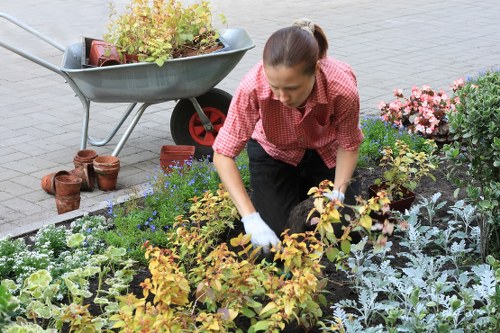 By following this health and safety policy, Gardeners East Bedfont can provide outdoor work that is well planned, well controlled, and carried out with care. From small domestic gardens to larger maintenance tasks, the same standards apply: assess the risks, use equipment properly, work responsibly, and keep safety at the forefront of every decision. That commitment helps protect people, property, and the quality of the service itself.