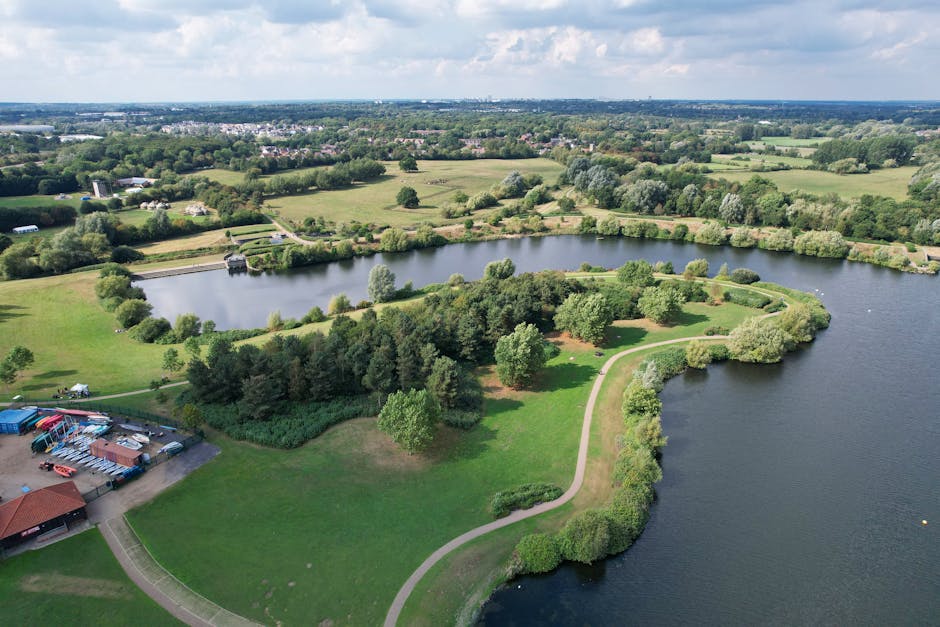
East Bedfont Gardeners for Bedfont Lakes Park Borders: Practical Border Care, Planting, and Maintenance
If you're looking for East Bedfont gardeners for Bedfont Lakes park borders, you're probably after something very specific: neat, resilient planting that looks good from the path, stands up to changing weather, and doesn't turn into a maintenance headache six weeks later. That's a fair ask. Borders near parkland need a little more thought than a standard front garden bed, because they sit between home and open space, where wind, shade, wildlife, foot traffic, and visibility all matter.
In this guide, we'll look at how experienced local gardeners approach border design and upkeep around Bedfont Lakes park edges, what makes these gardens trickier than they first appear, and how to get results that stay tidy through the seasons. We'll also cover practical choices for hedges, ground cover, shade planting, winter protection, and ongoing maintenance, with a few sensible links to help if you want deeper guidance.
Why East Bedfont gardeners for Bedfont Lakes park borders Matters
Border planting beside parkland is not the same as planting in a sheltered suburban back garden. You're often dealing with more exposure, a stronger sense of "public-facing" tidiness, and a planting scheme that needs to look intentional from both sides. A border can frame a view, soften a fence line, create privacy, and make a garden feel connected to its surroundings - but only if it's chosen and maintained properly.
Bedfont Lakes park borders, in particular, tend to benefit from plants and layouts that cope with variable light and movement in the air. Some parts may be open and breezy; others may sit in partial shade from mature trees or nearby structures. That mix changes everything. A plant that looks brilliant in a sunny catalog photo might sulk badly in real life. Truth be told, that's where local knowledge saves time and disappointment.
Local gardeners understand what tends to work in East Bedfont conditions: edging that stays crisp, plants that don't collapse after a windy spell, and border structures that remain attractive without constant rescue work. If you want more context on the broader approach to upkeep, the general garden maintenance service and the wider gardening services pages are useful starting points.
Expert summary: Good border work near Bedfont Lakes is usually about balance - privacy without heaviness, colour without chaos, and planting that looks polished even when the weather has other ideas.
How East Bedfont gardeners for Bedfont Lakes park borders Works
In practice, this kind of project usually starts with a site walk and a simple question: what should the border do? That could mean screening views, reducing weed pressure, protecting softer planting from wind, creating a habitat-friendly edge, or just giving the garden a more finished look. You may want all of those things at once, and that's normal. Most people do.
A good gardener will first look at the basics:
- How much sun or shade the border gets through the day
- Soil type and drainage after rain
- Exposure to wind and foot traffic
- Existing boundary lines, fences, or hard landscaping
- How much maintenance you're realistically willing to do
From there, the work often splits into a few practical layers. The outer edge might need defining with edging, a low hedge, or ground cover. The middle layer usually handles colour, structure, or seasonal interest. The back layer may be taller shrubs, climbers, or screening plants. Simple, but effective. And far less likely to become a tangle by August.
For homes that need added screening, the hedge trimming East Bedfont service and the guide to fast-growing hedge options for top privacy can be especially relevant. If the border is shaded, climbing planting may be a better answer, so the article on evergreen climber solutions is worth a look too.
Key Benefits and Practical Advantages
Done well, border work near Bedfont Lakes adds value in ways that are easy to feel, even if you don't talk about them in garden-design terms. The space simply functions better.
- Cleaner visual boundaries: A border helps separate lawn, path, fence, and planting so the garden looks intentional rather than unfinished.
- Better privacy: Carefully chosen shrubs or hedging can shield seating areas without making the garden feel boxed in.
- Less mess and weed spread: Proper edging and dense planting reduce bare soil, which is where weeds love to creep in.
- More seasonal interest: With the right mix, the border can look good in spring, carry structure through winter, and avoid that "all good for three weeks" problem.
- Improved resilience: Hardy planting, mulching, and sensible spacing help the border recover better after dry spells or storms.
There's also a small but real lifestyle benefit. A well-kept border makes mowing easier, tidies the view from indoors, and cuts down on those annoying little jobs that seem to multiply. You know the ones - half an hour here, ten minutes there, suddenly it's your whole Saturday gone.
For planning on a tighter budget, the craft-a-stunning-garden-without-breaking-the-bank guide offers practical ideas that can be adapted to border projects without cutting corners on quality.
Who This Is For and When It Makes Sense
This kind of gardening support makes sense for a few very different people. Some already have a border but want it sharpened up. Others are starting from scratch and need a design that won't feel overcomplicated after the first frost. Some simply want less maintenance around a boundary that faces a park or open space.
You'll likely benefit from professional help if:
- Your border is patchy, overgrown, or uneven in height
- You want privacy but don't want a solid wall of planting
- Shade, wind, or poor soil keeps causing plant failure
- Weeds, dog activity, or foot traffic keep disturbing the edge
- You need a border that looks good year-round with limited upkeep
It also makes sense if the garden is attached to a rental property, a family home, or a business frontage where appearance matters. Borders are often underestimated. They're a small slice of the garden, yes, but they carry a lot of the visual load.
If the area has become neglected, there's helpful context in reviving a neglected garden. If you're totally new to regular upkeep, the beginner-friendly guide nurture your passion with 9 gardening tips for beginners is a gentle place to start.
Step-by-Step Guidance
Here's a sensible way to approach border work near Bedfont Lakes. Not flashy. Just practical and steady.
- Assess the site properly. Look at sun, shade, wind, soil condition, drainage, and how the border connects to paths or fences.
- Decide what the border must do. Is it for privacy, colour, wildlife, structure, or low-maintenance neatness? Pick the main job first.
- Clear and prepare the area. Remove weeds, dead growth, and any debris. Improve the soil if needed, and define the edge cleanly.
- Choose plants that suit the conditions. Mix evergreen structure with seasonal colour, and don't overpack the space. Breathing room matters.
- Add the right support features. Mulch, edging, trellis, low fencing, or a hedge line can all help hold the design together.
- Plant in layers. Use taller plants at the back, medium shrubs or perennials in the middle, and low-growing ground cover at the front.
- Water and establish carefully. New planting needs regular attention in the first season, especially in dry or windy weather.
- Set a maintenance rhythm. Plan light trimming, weed control, and seasonal checks rather than waiting until the border looks tired.
That last point is the one many people miss. Borders usually fail not because the original idea was bad, but because maintenance was left to chance. A little consistent care makes a huge difference.
For dense, low-maintenance edging, the article on ground covers for UK gardens is genuinely useful. Ground cover can suppress weeds, soften edges, and stop bare soil from becoming a nuisance.
Expert Tips for Better Results
In our experience, the best borders are not always the most complicated. They're usually the ones that respect the site. Here are the details that make a difference.
1. Think in layers, not plants
One plant choice rarely solves the whole problem. A strong border often combines shrubs, perennials, climbers, and ground cover. That mix gives depth and keeps the border looking alive even when one layer is past its peak.
2. Use evergreens for backbone
Evergreens stop the border from disappearing in winter. Even a few well-placed shrubs or climbers can hold the structure together when everything else has died back. That feeling of "the garden is still there" matters more than people think.
3. Don't ignore the edge condition
The first 30cm of a border can make or break the appearance. Clean edging, fresh mulch, or a subtle boundary line prevents turf and weeds from creeping in. Small detail, big payoff.
4. Match maintenance to reality
A border that needs weekly deadheading is fine if you enjoy gardening. If not, choose tougher planting. Be honest with yourself. Gardening should not feel like a second job.
5. Plan for the worst season, not the best one
Think about winter winds, late frosts, and that damp stretch when moss and slugs show up uninvited. A border that still looks composed in January is a far better investment than one that only sings in June.
If you need help preparing plants for cold weather, frostproofing your plants is a smart seasonal read. And if your site gets a bit blustery - which happens around open parkland - the guide on building garden fortitude against strong winds offers practical thinking.
Common Mistakes to Avoid
A lot of border problems are predictable. That's the good news. If you know what to avoid, you save time, money, and a fair bit of frustration.
- Choosing plants for looks alone: A lovely plant that hates your soil is a future headache.
- Planting too close together: Crowded borders can look full at first, then become a messy competition for light and air.
- Ignoring drainage: Wet feet can ruin roots faster than people expect, especially in heavy ground.
- Leaving the border bare: Bare soil invites weeds and dries out quickly in summer.
- Overusing one species: If disease or weather hits, the whole border can suffer at once.
- Forgetting access for maintenance: If you can't reach the back of the border, deadheading and weeding become awkward or simply stop happening.
One more thing: trying to make everything "perfect" can backfire. A border needs a little movement, a little breathing space. Too much order and it looks rigid; too little and it looks like you've given up. The sweet spot is somewhere in the middle.
If weeds are a recurring issue, the practical tips in maintaining a weed-free garden are worth using alongside good border design.
Tools, Resources and Recommendations
Border work doesn't require a van full of kit, but the right tools do make the job easier and neater. A basic local maintenance toolkit usually includes:
- Hand fork and trowel for planting and weeding
- Border spade or edging tool for crisp lines
- Secateurs for deadheading and light pruning
- Long-handled loppers for thicker growth
- Wheelbarrow or trug for moving mulch and clippings
- Mulch such as bark, composted material, or other suitable organic covering
- Gloves, particularly where hedge trimmings or thorny shrubs are involved
If you're designing borders with privacy in mind, it can also help to study hedge form and shape rather than just hedge height. The article on hedge trimming shapes gives a good sense of how form changes the feel of a boundary. For a fuller privacy strategy, the guide on fast-growing hedge options for top privacy is also a solid reference.
Other useful service pages, depending on your border project, include lawn care if the border edge meets turf, lawn mowing East Bedfont for regular finish work, landscaping for larger redesigns, and fencing where the border sits alongside a boundary that needs repair or replacement.
Law, Compliance, Standards, or Best Practice
For most home border projects, the main thing is to follow good horticultural practice and be respectful of boundary lines, access, and safety. If work involves trees, boundary structures, or anything close to shared property lines, it's sensible to check ownership and any relevant responsibilities before proceeding. That's not glamorous, but it avoids awkward conversations later.
In the UK, gardeners and contractors should also work with appropriate health and safety habits. That includes safe tool use, protective equipment where needed, and clear communication about access, waste removal, and working conditions. If you're hiring someone, ask how they manage on-site safety and insurance. It's not a fussy question; it's a smart one.
For confidence around work standards and site conduct, these pages are worth reviewing: insurance and safety, health and safety policy, terms and conditions, payment and security, and complaints procedure. If you want to understand who's behind the work, about us is useful too.
For anyone concerned about the environmental side of gardening, the article on resilient gardens is a thoughtful read. It's not about dramatic claims - just sensible planting choices that cope better with stress.
Options, Methods, or Comparison Table
Different border approaches suit different goals. Here's a simple comparison to help you think it through.
| Border method | Best for | Maintenance level | Typical downside |
|---|---|---|---|
| Mixed shrub and perennial border | Colour, structure, and seasonal variety | Medium | Needs occasional reshaping and dividing |
| Evergreen screening border | Privacy and year-round backbone | Low to medium | Can feel heavy if not broken up with softer planting |
| Ground-cover-led border | Weed suppression and low edging | Low | May take time to establish fully |
| Climber-supported border | Shaded or narrow spaces with vertical interest | Medium | Needs support and periodic training |
| Formal clipped hedge border | Sharp lines and tidy park-facing presentation | Medium to high | Regular trimming is non-negotiable |
If you prefer a softer look, ground cover can be a clever way to bridge the edge between path and planting. If you need more structure, hedge or shrub layering usually works better. One size never fits all, really. That's the honest version.
Case Study or Real-World Example
Imagine a typical East Bedfont garden border running alongside a boundary close to open parkland. The owners want something tidy from the window, some privacy from passers-by, and planting that won't need constant rescue in the windy months. The original border is patchy, with a few tired shrubs, bare soil, and weeds coming and going like they own the place.
A sensible approach would be to clear the border, improve the soil, and rebuild it in three layers. At the back: a small number of evergreen shrubs or climbers for height and structure. In the middle: a mix of hardy perennials that bring colour without demanding too much. At the front: low ground cover to soften the edge and suppress weeds. Mulch would go on top, not too thick, just enough to hold moisture and keep things neat. Crisp edging would finish the line.
After that, the owners would need a light maintenance routine rather than big rescue jobs. A spring tidy, a summer check, an autumn cut-back, and winter protection where needed. Not glamorous, but it works. And the garden starts to feel calmer almost immediately. You can hear it in a sense, if that makes sense - the border stops looking like a problem and starts looking like part of the house.
For projects like this, the broader garden maintenance page and practical patio cleaning service can also help complete the overall presentation if hard landscaping sits beside the border.
Practical Checklist
Use this quick checklist before starting or reviewing border work near Bedfont Lakes park edges.
- Check how much sun, shade, and wind the border gets.
- Identify whether the main goal is privacy, structure, colour, or low maintenance.
- Clear weeds, dead plants, and debris before planting.
- Improve soil and drainage where needed.
- Choose a mix of evergreen and seasonal planting.
- Use ground cover or mulch to protect bare soil.
- Keep space for access, pruning, and deadheading.
- Make sure edging is neat and durable.
- Plan a realistic maintenance schedule for each season.
- Review whether nearby fencing, lawns, or trees also need attention.
Quick takeaway: the best park-border gardens are usually the ones that look easy, even though they're quietly well planned. That's the trick.
If you want tailored help with a border, hedge, lawn edge, or a full refresh around your garden boundary, it's worth speaking to a local specialist who understands the site and the season. A short conversation can save a lot of guesswork.
Get a free quote today and see how much you can save.
Conclusion
East Bedfont gardeners for Bedfont Lakes park borders need to do more than make things look pretty for a day. The work has to hold together through weather, growth, shade, and everyday use. That means thinking carefully about plant choice, structure, maintenance, and the exact way the border meets the rest of the garden.
When those pieces line up, the result is quietly impressive. The space feels settled. The boundary looks intentional. And the garden starts to feel like it belongs to its setting rather than fighting it. That's a good feeling, and to be fair, it's what most people are really after.
Whether you need a simple tidy-up, a new planting plan, or a complete border reset, the best next step is to start with the site itself and build from there. Steady, practical, and local. That's usually how the nicest gardens come together.
Frequently Asked Questions
What do East Bedfont gardeners for Bedfont Lakes park borders actually do?
They typically assess the border, clear it, improve the planting layout, choose suitable shrubs or ground cover, and maintain the edge so it stays neat and resilient through the seasons.
Why do park-border gardens need a different approach?
Because they're often more exposed to wind, light changes, and visibility from paths or open space. That means plant choice, spacing, and structure matter more than they might in a sheltered garden.
What are the best low-maintenance plants for borders near open parkland?
Hardy evergreen shrubs, tough perennials, and spreading ground cover are often good options. The exact choice depends on sun, shade, and how much wind the site gets.
How often should a border like this be maintained?
Light maintenance through the year usually works best: a spring tidy, summer checks, autumn cut-back, and some winter protection where needed. Leaving it for one big annual clear-out is rarely ideal.
Can a border provide privacy without looking heavy?
Yes. The trick is to mix height with softer layers. Evergreens, climbers, and staggered planting can screen views without making the garden feel boxed in.
What if the border is shady?
Shady borders can still look great, but they need shade-tolerant planting. Evergreen climbers, leaf texture, and careful spacing help a lot in those areas.
Do I need fencing as well as planting?
Not always, but fencing can provide a useful backbone for privacy or support. Many gardens benefit from a combination of boundary structure and planting rather than one or the other.
How can I stop weeds from taking over the border?
Use proper edging, mulch, dense planting, and routine weeding. Bare soil is the real problem, so reducing exposed patches is one of the simplest long-term fixes.
What should I ask before hiring a gardener for this kind of work?
Ask about site assessment, plant recommendations, maintenance expectations, insurance, and how they handle waste and safety. A good gardener will answer clearly and practically.
Are there any safety or compliance points to think about?
Yes. Good practice includes safe tool use, clear boundaries, proper handling of waste, and awareness of any shared property responsibilities. If trees or fences are involved, it's wise to check things carefully before work begins.
Can a border be improved without a full redesign?
Absolutely. Sometimes a sharper edge, better mulch, selective pruning, and a few well-placed plants are enough to transform the look without starting from scratch.
How do I get started if my border is overgrown or neglected?
Start by clearing the worst material, then decide what the border should do. If it's a bit messy, that's fine. Most good gardens begin with one honest clear-out and a simple plan after that.
Where can I find more help with related garden work?
Useful supporting services include lawn care, tree surgery, decking services, and fencing, depending on how the border connects to the rest of the garden.